


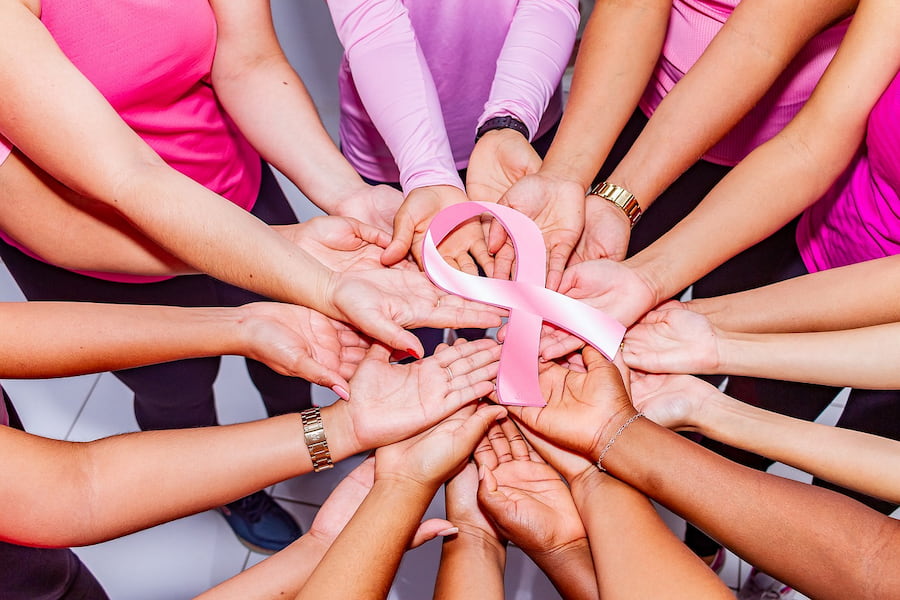
Even though breast cancer isn’t an unknown disease, not everyone is well-informed about its effects. Apart from starting as a lump in the breast or underarm, breast cancer can spread through the bloodstream and affect the other parts of the body. If the cancer isn’t detected or treated early, it can advance and lead to lung, bone, liver, and brain complications. That’s why every year, we dedicate the month of October to increasing the awareness of breast cancer.
During this month, health organizations and institutions create campaigns to educate individuals about the disease and the importance of getting checked. A lot of people also take part in spreading awareness, whether they have personal experience dealing with breast cancer or not. If you want to do your part in this ongoing effort, here are some things you can do to raise awareness of breast cancer:
Attend Fundraising Events
One of the simplest ways to raise breast cancer awareness is to attend fundraising events. These events aim to educate people about the disease, as well as help raise funds for breast cancer research. There are different fundraising events you can choose from, so you can participate in those that pique your interest.
If you’re into running, for example, you can sign up for a breast cancer run in your area. You get to run your preferred race distance while wearing a running shirt and event wristbands that showcase your support. If you love music, on the other hand, you can attend a benefit concert where all the proceeds from their ticket and merch sales go to breast cancer foundations. This way, you get to enjoy live performances from your favorite music artists while contributing to the cause financially.
Support Pink Ribbon Businesses
Many businesses and brands offer pink ribbon products during Breast Cancer Awareness Month. When people purchase these products, a portion or all of the proceeds of the sales go to breast cancer charities. If you want to make a big impact, however, buy from pink ribbon businesses that are owned by breast cancer patients, survivors, or families that have loved ones who are diagnosed with the disease. This way, you can rest assured that your contribution is going directly toward those who need it the most.
Use Your Talents to Raise Funds for Breast Cancer Research
If you have a particular talent or skill, consider using it to raise money for breast cancer causes. For example, if you’re a digital artist, you can offer a commission package that encourages your clients to donate to a breast cancer foundation, organization, or clinic. If they can show you proof that they’ve donated, you can give them a free artwork in return. If you’re a talented baker, on the other hand, you can hold a baking event where you’ll sell various pink-themed treats. The money you’ll earn from this event will be donated to fund breast cancer research or similar initiatives.
Volunteer at a Breast Cancer Center
Volunteering your time and expertise at a local breast cancer center can have a profound impact on patients and their families. Many centers rely on volunteers for various roles, from providing emotional support to assisting with administrative tasks. Your presence can offer comfort and practical assistance to those in need. You’re also spreading awareness about the importance of community involvement.
Educate Yourself and Others
To learn more about this disease, attend breast cancer awareness webinars and look for breast cancer resources online. From the information you’ve gathered, you can share your knowledge with others by uploading informative articles, infographics, and videos about breast cancer on your social media platforms. Spreading awareness to your friends and family can help them become more educated about the risks, signs, and symptoms of breast cancer. It can also help dispel myths and encourage individuals to take proactive steps towards early detection and prevention.
Get Yourself Screened
Taking care of your own health is one of the most significant contributions you can make to breast cancer awareness. As such, if you haven’t had yourself screened, now’s a good time as any to get one. Schedule an appointment with your gynecologist or family doctor, or visit a breast clinic for a mammogram test. When you’re finished, share your experience with your friends and family, as it may encourage them to prioritize their health as well. The experience may also give you the initiative to have yourself checked regularly, setting a positive example and reinforcing the importance of early breast cancer detection and diagnosis.
Breast cancer is a disease that affects the lives of millions of people each day. While its impact is undeniable, so too is the power of collective action. By taking part in the different ways that you can help spread awareness of the disease, you’re educating the people around you about it. You’re also providing invaluable support to breast cancer patients and survivors, improving their quality of life.
Read Also
- Top Trends Shaping the Future of Mental Health Care
 Mental health care is moving fast to meet daily human needs. People want direct care that fits modern life. Clinics respond by creating flexible options that make healing easier to reach. Providers look past rigid habits to give people solid care. From smart tools to body wellness, these changes help people find relief when life… Read more: Top Trends Shaping the Future of Mental Health Care
 - Full-Arch Dental Tourism: Why UK Patients With Severe Bone Loss Are Looking AbroadDental implants have become one of the fastest-growing segments of private dentistry. Within that market, one patient group behaves very differently from the rest: people who have been told they do not have enough upper jawbone for conventional implants. For these patients, the choice is rarely between one clinic and another. It is between a… Read more: Full-Arch Dental Tourism: Why UK Patients With Severe Bone Loss Are Looking Abroad
- Levels of Mental Health Care and When to Seek SupportMental health care can range from occasional outpatient appointments to 24-hour hospital treatment. The appropriate level depends on safety, symptom severity, daily functioning, medical needs, available support, treatment history and personal preferences. A licensed clinician should assess these factors rather than relying on a symptom list alone. Need help now? In the United States, call… Read more: Levels of Mental Health Care and When to Seek Support
- How to Choose a Shilajit Brand Based on the ResearchIn a randomized trial published in the Journal of the International Society of Sports Nutrition in 2019, 63 active men took 250 mg of standardized shilajit, 500 mg, or a placebo every day for eight weeks, and the benefit for strength retention after a fatiguing workout appeared only at 500 mg. For anyone choosing a… Read more: How to Choose a Shilajit Brand Based on the Research
- How to Incorporate Relaxation into Your Busy ScheduleFinding balance when you have a packed daily agenda often feels out of reach. Between work duties, family obligations, and personal projects, personal rest usually gets pushed to the bottom of the list. Small, intentional shifts in daily habits can help restore calm without requiring hours of extra free time. Continue reading to discover everything… Read more: How to Incorporate Relaxation into Your Busy Schedule





